
Pulling in after a long day on the road, the difference between a smooth, comfortable stay and a stressful one often comes down to a simple question: rv park vs campground. Both can give you a place to spend the night, but they are built for different kinds of travelers, different levels of comfort, and different expectations once you park.
If you are planning a weekend getaway, a family trip, a work stay, or a longer seasonal visit, it helps to know what you are really booking. The names sound similar, and people often use them interchangeably, but the experience can be very different.
RV park vs campground: the basic difference
In most cases, an RV park is designed around convenience, utilities, and comfort for RV travelers. A campground usually leans more rustic and may serve a wider mix of guests, including tent campers, pop-up campers, vans, and RVs. That does not mean one is better than the other across the board. It means each one fits a different kind of trip.
An RV park is usually the better match if you want full hookups, predictable site access, stronger amenities, and a stay that feels more like a temporary home base. A campground often makes more sense if your goal is a simpler outdoor experience where you spend most of your time hiking, fishing, sitting by a fire, or unplugging.
That distinction matters even more if you are traveling with kids, pets, remote work needs, or plans to stay more than a night or two. When comfort and reliability matter, the details start to count fast.
What you can usually expect at an RV park
Most RV parks are built with the RV itself in mind. That means larger sites, easier pull-through or back-in access, and utility connections that support a more comfortable stay. Full hookups are one of the biggest reasons travelers choose an RV park. Having water, sewer, and electricity at your site changes the feel of the trip right away.
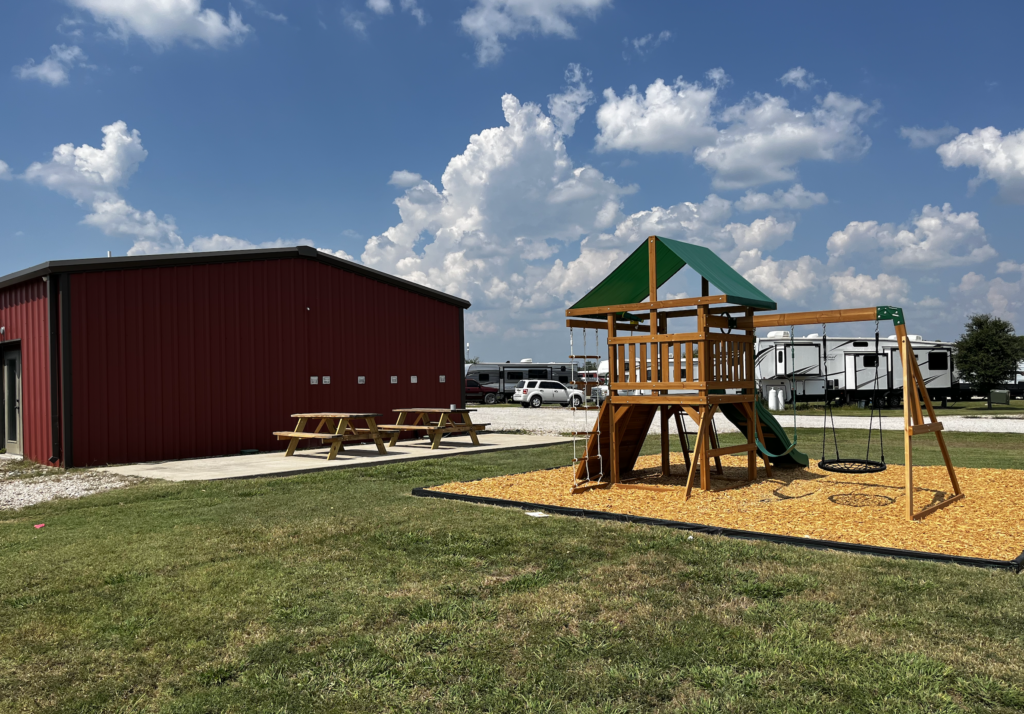
Amenities are another big part of the experience. Depending on the property, you may find Wi-Fi, laundry facilities, restrooms, showers, pet areas, gated access, concrete pads, picnic spaces, and recreation features like ponds, trails, or playgrounds. For many guests, that combination creates a true home away from home instead of a basic place to park.
This is especially valuable for long-term guests, traveling workers, retirees, and families who want comfort without giving up the outdoor lifestyle. If you need dependable utilities, a clean place to shower, and a setting that feels safe and welcoming, an RV park often checks those boxes better than a rustic campground.
What you can usually expect at a campground
Campgrounds tend to offer a more traditional outdoor setting. Some are public parks, some are private, and some focus heavily on nature access rather than site amenities. You may find fire rings, picnic tables, bathhouses, wooded sites, lake access, or trail systems. That can be a great fit if your trip is about spending as much time outside as possible.
For some travelers, that quieter and more natural feel is exactly the point. A campground can feel less structured and less developed. The trade-off is that you may have fewer conveniences. Some campgrounds offer only water and electric, and some offer no hookups at all. Site sizes may be smaller, surfaces may be uneven, and access can be tighter for larger rigs.
That is not necessarily a drawback. If you are in a self-contained RV, staying one or two nights, and mainly want scenery over services, a campground may be the right choice. But if you are expecting resort-style comfort or a setup that supports everyday living, you will want to read the details carefully before booking.
The real deciding factors for most travelers
When people compare rv park vs campground, the decision usually comes down to four things: hookups, amenities, length of stay, and the kind of atmosphere they want.
Hookups are often the first filter. Full hookups make a major difference on longer stays because they reduce hassle and make day-to-day routines easier. If you are traveling with children, working remotely, or settling in for a week or a month, that convenience adds up quickly.
Amenities come next. A campground may give you beautiful surroundings, but an RV park is more likely to offer services that support comfort and routine. Laundry, clean restrooms, showers, Wi-Fi, pet-friendly features, and secure access are not flashy extras when you are staying a while. They are practical comforts that help you relax and recharge.
Length of stay also matters. Campgrounds are often ideal for short visits and recreation-focused trips. RV parks are generally better suited for both overnight guests and extended stays because they are set up for livability. If your RV is functioning as your home for the week or the season, that difference becomes obvious.
Then there is the atmosphere. Some guests want rustic and quiet. Others want welcoming, social, family-friendly, and easy to settle into. Neither preference is wrong. It depends on what kind of experience you want once you turn the engine off.
RV park vs campground for families, workers, and long-term guests
For families, an RV park often offers more peace of mind. Reliable utilities, clean facilities, safer site layouts, and room to spread out can make travel less stressful. Parents usually appreciate having predictable comforts, especially on multi-day trips.
For traveling workers and long-term guests, the choice is even clearer. A campground may be charming for a weekend, but it is not always built for daily life. If you need dependable power, solid Wi-Fi, laundry access, a secure environment, and a place that feels stable, an RV park is usually the stronger fit.
Retirees and seasonal travelers often land in the same place. Many want a comfortable base near local attractions, family, or work opportunities without giving up the freedom of RV travel. A well-kept RV park can offer that balance by blending convenience with a relaxed outdoor setting.
Even pet owners should look closely at the difference. A pet-friendly RV park with open areas, walking access, and dog amenities can make a stay far easier than a campground that technically allows pets but offers very little room or infrastructure for them.
Why the better choice depends on your trip
If your ideal trip includes campfires, wooded sites, limited screen time, and a back-to-basics feel, a campground may be exactly what you want. It can be more scenic, more rustic, and more focused on nature than convenience.
If your ideal trip includes full hookups, Wi-Fi, clean showers, laundry, easy site access, and a friendly setting where you can stay comfortably for more than a night, an RV park will likely feel like the better investment.
That is why the question is not really rv park vs campground in the abstract. It is which one matches this trip, this season, and this stage of life. A young family on a summer road trip, a contractor staying near a job site, and a retired couple traveling through North Texas may all answer that question differently.
When an RV park makes the most sense
An RV park is often the right fit when comfort is part of the plan, not an afterthought. If you want a secure place to settle in, useful amenities on site, and a stay that feels organized and welcoming, the value goes beyond the parking spot itself.
That is one reason many guests looking near Caddo Mills, Greenville, and the Dallas area choose a full-service option like Holiday Road RV Park. For travelers who want more than a no-frills overnight stop, features like full hookups, gated access, laundry, Wi-Fi, pet-friendly spaces, and room to relax can make the whole trip feel easier from the moment they arrive.
There is also a practical side that matters. Not everyone owns an RV, and not every trip calls for roughing it. A place that offers both comfort and flexibility opens the door to more kinds of travelers, from weekend guests to extended-stay residents.
A smarter way to choose between the two
Before you book, think less about the label and more about the experience you want. Ask yourself how long you are staying, what utilities you need, how much comfort matters, and whether you want your site to feel more like a campsite or more like a temporary home.
That quick gut check usually tells you what you need to know. If your trip centers on simplicity and nature, a campground may be the right call. If your trip calls for convenience, security, and everyday comfort, an RV park is often where you will feel most at ease.
The best stay is the one that fits your life on the road, so choose the place that lets you settle in, breathe easier, and enjoy where you are.