
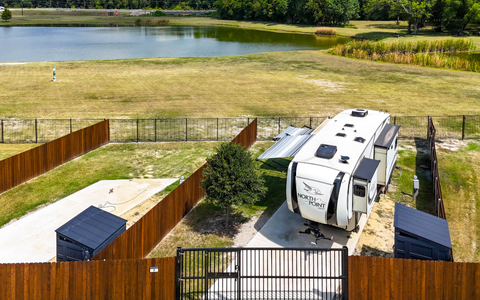
Pulling into a park after a long day on the road, most RV travelers want the same thing – to exhale. That is why so many guests ask, are gated rv parks safer? The short answer is yes, often they are. But the better answer is that a gate is one part of a safer, more comfortable stay, not the whole story.
For families, long-term guests, retirees, and traveling workers, that difference matters. A locked entrance can add peace of mind, but real safety comes from how a park is designed, managed, and cared for every day. If you are comparing places to stay in North Texas or anywhere else, it helps to know what a gate can do, what it cannot do, and what signs point to a truly secure home away from home.
Are gated RV parks safer in real life?
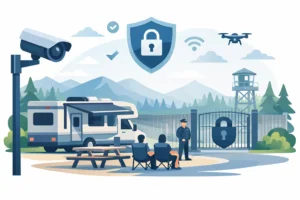
In many cases, yes. Gated RV parks are generally safer than completely open properties because they create a controlled entry point. That alone can discourage casual trespassing, late-night drive-through traffic, and some opportunistic theft.
A gate changes the feel of a property right away. Instead of anyone being able to wander in at any hour, access is more limited to registered guests, staff, and approved visitors. For people staying a weekend, that can make the park feel more private. For people staying a month or longer, it can make daily life feel more settled and predictable.
That said, safer does not mean risk-free. A gate does not stop every problem. It does not replace attentive management, good lighting, well-kept grounds, or a community of guests who respect the property. A park can have a gate and still feel neglected. Another park may be ungated yet feel very secure because it is clean, visible, active, and well managed.
What a gate actually helps prevent
The biggest benefit of a gate is simple deterrence. Most minor security issues happen when access is easy. If someone can freely enter a property, circle around, and leave without being noticed, the park is more exposed.
A gated entrance can reduce random vehicle traffic and limit non-guests from entering on impulse. That matters in RV parks because guests often keep outdoor gear, grills, bikes, coolers, and other personal items around their site. Even when valuables are locked inside the rig, a more controlled property can lower the odds of someone drifting through and testing boundaries.
There is also a comfort factor that should not be dismissed. Safety is partly physical, but it is also emotional. Parents feel better letting kids walk to the dog park or pond when the property is enclosed. Pet owners feel more relaxed on evening walks. Long-term residents appreciate knowing the place they return to every night is not open to constant outside traffic.
Where gated RV parks have limits
This is the part many articles skip. Gates help, but they are not magic.
A gate is only as effective as the habits around it. If the code is widely shared, if the entrance is frequently left open, or if visitors follow other vehicles through without checking in, the security benefit shrinks fast. Even a sturdy gate cannot make up for poor management or weak site oversight.
There is also the issue of internal safety. A gate mostly controls who comes in from outside. It does not automatically address things like unsafe driving inside the park, poor lighting near bathhouses, uneven walkways, or utility areas that are not maintained. Those quality-of-life details affect how secure people feel just as much as the entrance does.
That is why experienced RV travelers usually look beyond the word gated in a listing. They want to know whether the park is fenced, well lit, actively managed, clean, and organized. They want to see whether guests appear comfortable and whether the property feels cared for. Those clues tell you more than a gate alone.
What makes an RV park feel truly secure
If you are weighing are gated rv parks safer against other lodging options, focus on the full picture. The safest and most welcoming parks usually combine several features that work together.
A fenced perimeter helps define the property and supports the benefit of the gate. Good lighting around roads, common areas, restrooms, laundry rooms, and site rows improves visibility and comfort after dark. Clean, maintained facilities send a strong signal that management pays attention. Concrete pads, tidy hookups, and organized parking also reduce hazards that have nothing to do with crime but still matter for guest safety.
Staff presence matters too. A park that is responsive, visible, and invested in guest experience tends to feel more secure than one that is hands-off. When management takes pride in the property, people notice. Guests are more likely to respect quiet hours, report concerns, and contribute to a neighborly atmosphere.
Community is another underrated part of safety. In a well-run RV park, people look out for the space around them. They recognize familiar vehicles, notice when something seems off, and value the shared experience. That kind of environment cannot be installed like a gate, but it often makes the biggest difference.
Short-term guests and long-term residents may see safety differently
Not every guest defines safer the same way. If you are stopping for one or two nights, your priorities may be quick access, a quiet evening, and confidence that your rig and belongings are not sitting in a wide-open lot near a busy road.
If you are staying for weeks or months, safety becomes broader. You care about whether the property feels stable, whether amenities are consistently clean, whether the Wi-Fi and utilities are dependable, and whether the environment supports everyday living. You want a place where you can relax and recharge, not just sleep.
That is where a full-service park often stands out. Features like on-site laundry, restrooms, showers, pet-friendly spaces, and recreational amenities do more than add convenience. They create a livable setting where guests spend time outdoors, interact with neighbors, and feel rooted instead of temporary. A park that feels lived in and cared for often feels safer too.
How to judge a gated park before you book
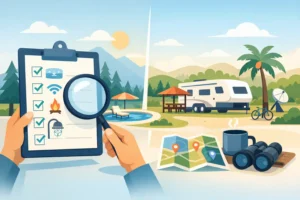
Photos and descriptions can help, but they should not be the only test. Look closely at how the property presents itself. Does it appear clean, maintained, and welcoming? Are roads and sites orderly? Do the amenities seem like afterthoughts or part of a real guest experience?
Read the wording carefully. Some parks mention a gate as the main selling point because there is not much else to say. Others present security as part of a bigger promise – comfort, cleanliness, reliable utilities, and a sense of community. That second approach usually points to a better stay.
If you call ahead, ask practical questions. How is access handled after hours? Is the property fenced as well as gated? Are there staff on-site? How are visitors managed? These questions are not overcautious. They are smart, especially if you are traveling with kids, staying long term, or arriving late.
For travelers wanting both security and comfort near Dallas and Greenville, a park like Holiday Road RV Park reflects what many guests are really looking for: gated and fenced access, full hookups, concrete pads, Wi-Fi, clean restrooms and showers, laundry, pet-friendly space, and the kind of atmosphere that feels welcoming from day one.
So, are gated RV parks safer than other options?
Compared with an open roadside lot or an unmanaged overnight stop, usually yes. Gated RV parks often offer a stronger sense of control, privacy, and peace of mind. They can lower the chance of random traffic and make guests feel more at ease, especially after dark.
But the smartest answer is this: the safest RV park is not just the one with a gate. It is the one where security, maintenance, hospitality, and community all show up together. That is what turns a basic campsite into a place where you can actually settle in.
When you are choosing your next stay, look for the park that helps you feel comfortable the moment you pull in. A gate is a strong start. A well-kept, friendly, thoughtfully designed park is what helps you sleep easy.